Nicaragua green coffee wholesale gives roasters access to high-grown, washed Central American coffee with clean sweetness, balanced acidity, and a price that still leaves room in a blend budget. Intercontinental Coffee Trading (ICT Coffee), a San Diego-based specialty green coffee importer serving roasters across the USA and Canada, sources Nicaraguan lots — including microlots from Finca Los Pinos — and cups every one with Q Grader-certified staff before offering it for wholesale.
Why Nicaragua Belongs on Your Sourcing List
Nicaragua sits in a useful spot for roasters: specialty-quality coffee from a country that hasn’t been bid up the way some neighbors have. The cup tends toward balance — medium body, gentle acidity, and chocolate, caramel, and nutty sweetness, with the better lots adding stone fruit and floral notes. That makes Nicaragua a flexible origin. It can stand alone as an approachable single origin or do quiet, dependable work in an espresso blend.
For a roaster building a menu, that versatility matters. Where a Kenya or an Ethiopia brings intensity, a good Nicaragua brings structure. ICT lists current Nicaraguan offerings on its Nicaraguan coffee origin page.
The Growing Regions: Jinotega, Matagalpa, and Nueva Segovia
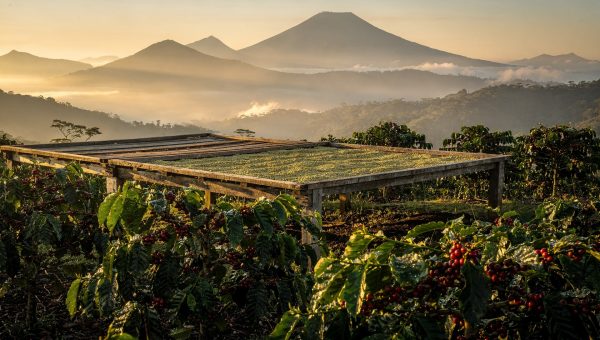
Almost all of Nicaragua’s arabica comes from three mountainous northern regions. According to data on Nicaraguan coffee production, Jinotega is the leading region, producing a large share of the country’s coffee at elevations from roughly 1,000 to 1,500 meters and known for bright, fruit-forward cups. Matagalpa offers rich, balanced profiles, while Nueva Segovia — up against the Honduran border — produces a smaller volume that’s sought after for its complex, often floral character.
Region tells you something, but farm and altitude tell you more. The same way ICT documents its neighboring origins in the Central American green coffee wholesale guide, knowing exactly where a Nicaraguan lot was grown helps you predict how it will cup and roast.
Finca Los Pinos: A Microlot Story Worth Knowing
One of ICT’s standout Nicaraguan relationships is Finca Los Pinos, a farm whose microlots show what the origin can do at the top end. Microlots like these are small, separated harvests — often a single variety from a single plot — kept apart through processing so their distinct character survives to the cup. The result is traceable, repeatable quality you can put a story behind on a retail bag.
That traceability is the whole point of buying microlots. As ICT covers in its guide to why microlot coffee is worth the investment, paying more for a separated lot only makes sense when you know the farm, the variety, and the processing behind it. ICT’s microlot inventory lists Finca Los Pinos and other farms with that information attached.
Varieties and Processing You’ll See from Nicaragua
Caturra, Bourbon, and Maragogype all do well in Nicaragua’s volcanic soils. Maragogype — the “elephant bean,” a natural mutation of Typica — is a notable specialty. As Perfect Daily Grind notes, Maragogype produces exceptionally large beans and a soft, mellow cup, and Nicaragua is one of the origins where it’s actively grown at altitude.
Most Nicaraguan specialty coffee is washed, giving the clean, balanced profile the country is known for. But naturals and honey-processed lots are increasingly common as farms experiment. If processing method is new territory for your team, ICT’s guide to coffee processing methods explains how each one changes the cup.
Want to cup a Nicaraguan microlot before you commit? Request up to four free samples from ICT Coffee — including Finca Los Pinos when it’s in season. Every lot is Q Grader verified.
Reading Nicaraguan Grades: SHG and Altitude
On a Nicaraguan lot sheet you’ll often see SHG — Strictly High Grown — which means the coffee was grown at roughly 1,200 meters or higher. Higher altitude means slower cherry maturation, denser beans, and generally more complexity in the cup. SHG is the designation most specialty buyers want from Nicaragua.
Altitude designations describe growing conditions, not cup quality directly, so pair the grade with a cup score. ICT’s green coffee grading guide walks through how SHG, SHB, EP, and screen sizes fit together across Central American origins.
Harvest Timing and Buying Fresh Crop
Nicaragua’s harvest generally runs from roughly November through March, with milling and export following in the months after. For roasters, that means fresh-crop Nicaraguan coffee tends to arrive at importers in the first half of the year. Buying close to arrival protects the sweetness and acidity that fade as green coffee ages, so ask for the harvest date and moisture reading on any lot you’re considering.
How ICT Sources and Verifies Nicaraguan Coffee
ICT visits farms in person — including in Nicaragua — and its Q Grader-certified team cups each lot against the SCA specialty standard before it’s offered for wholesale. That combination of direct farm relationships and in-house evaluation means a Nicaraguan lot listed as specialty grade has been checked against the actual beans, with the farm and processing documented. You can see ICT’s on-the-ground work on its Nicaragua farm visit page.
Frequently Asked Questions About Nicaragua Green Coffee Wholesale
What does Nicaraguan coffee taste like?
Most Nicaraguan specialty coffee is balanced and clean, with chocolate, caramel, and nutty sweetness and a medium body. Higher-grown lots and microlots can add stone fruit, citrus, and floral notes. The washed processing common in Nicaragua keeps the cup clear and approachable.
Is Nicaraguan coffee good for espresso or filter?
Both. Its balance and sweetness make Nicaragua a reliable espresso blend component and a smooth single-origin filter. Many roasters use it as a base that plays well with brighter or more intense origins.
What is a microlot, and why does Finca Los Pinos matter?
A microlot is a small, separated harvest kept apart through processing to preserve its specific character. Finca Los Pinos is a Nicaraguan farm ICT works with whose microlots show the origin’s high-end potential — traceable, distinctive coffee you can build a retail story around.
How do I order Nicaraguan green coffee wholesale from ICT?
Start with samples. ICT offers up to four free samples so you can cup a Nicaraguan lot before committing to bags. Request a quote for current Nicaraguan inventory, minimums, and pricing.
Source Traceable Nicaraguan Green Coffee
ICT Coffee imports Nicaragua green coffee wholesale — including Finca Los Pinos microlots — with farm-direct relationships and Q Grader verification on every lot.
Request your free Nicaraguan samples or call us at (619) 338-8335 to talk through what’s in season.
Sources
- Coffee production in Nicaragua — growing regions and output
- Perfect Daily Grind — What is Maragogype and how big is the market for it in specialty coffee?
- Specialty Coffee Association — Coffee Standards (specialty grade definition)
�����������������������������������������������������������������������������������������������������������������������