 Why Central America Anchors So Many Specialty Menus
Central American green coffee wholesale is the backbone of many specialty roasting programs — and for good reason. Central America produces approximately 20% of the world’s arabica coffee, with Guatemala and Honduras ranking among the top 10 global producers according to ICO data. ICT Coffee, a specialty green coffee importer based in San Diego, CA, sources directly from Guatemala, Honduras, Nicaragua, and El Salvador, offering roasters across the USA and Canada access to quality-verified lots from one of the world’s most reliable arabica-producing regions.
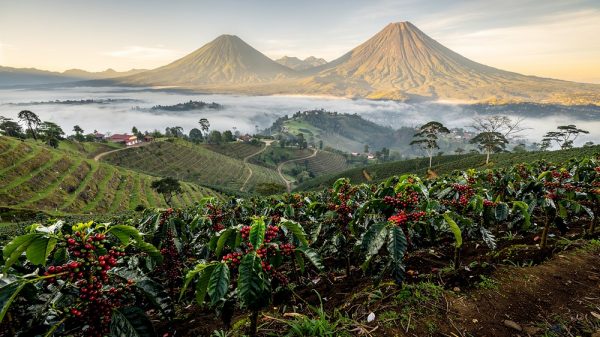
What makes Central America work as a sourcing region is the combination of altitude, volcanic soil, and a deep tradition of washed processing. These factors produce coffees with the clarity, acidity, and structural definition that specialty roasters and their customers find consistently appealing. Each country within the region has a distinct flavor identity — and understanding those differences is the foundation of smart sourcing.
Guatemala: Bright Acidity, Chocolate, and Huehuetenango
Guatemalan green coffee beans are among the most recognized in specialty coffee, and the Huehuetenango sub-origin is where the most compelling lots come from. Huehuetenango sits at altitudes above 1,800 meters on Guatemala’s western highlands — high enough that cool nights and warm days slow cherry development, concentrating sugars and building complexity. Washed processing is traditional here, which keeps the cup clean and origin-forward.
Flavor profiles from Huehuetenango typically run toward dark chocolate, stone fruit, and citrus acidity. Caramel sweetness and a full body are common in well-developed roasts. For roasters building an espresso blend, Guatemalan washed lots are a trusted foundational component — they hold up well under pressure and add brightness without dominating. ICT Coffee’s Guatemala offerings include sourcing notes and roasting guidance worth reviewing before your first order.
Honduras: The Cafescor Partnership and a Direct Human Story
Honduras is one of Central America’s largest coffee producers, and it’s been undervalued relative to its quality for years. ICT Coffee has a direct partnership with CAFESCOR, a Honduran cooperative, that goes beyond commercial transactions. ICT’s education project with CAFESCOR supports children in coffee-farming communities — a tangible investment in the people behind the lot. The CAFESCOR education initiative is the kind of origin story that gives roasters something real to communicate to their customers.
On the cup side, Honduras green coffee from high-altitude regions — particularly Marcala and Copán — produces clean, balanced lots with notes of milk chocolate, stone fruit, and mild citrus. Body tends to be medium to full, acidity is bright but approachable. For roasters looking for a crowd-pleasing origin that also carries ethical sourcing credentials, Honduras from ICT is worth serious consideration.
Request Your Free Samples — ICT Coffee offers up to 4 free green coffee samples to qualified roasters across the USA and Canada.
Nicaragua: Microlot Potential and Finca Los Pinos
Nicaragua specialty coffee has historically been overshadowed by its larger neighbors, but the country’s northern highlands — particularly Jinotega and Matagalpa — produce exceptional microlot coffee with a distinctive profile. Finca Los Pinos is one example of what’s possible: a farm-level lot with the kind of traceability and cup clarity that specialty roasters look for in microlot sourcing.
Nicaraguan coffees tend toward balanced, approachable profiles — caramel sweetness, gentle fruit acidity, clean finish. They don’t usually show the dramatic brightness of the best Guatemalan lots or the weight of a Brazilian natural, which makes them excellent for roasters who want a reliable everyday offering at specialty quality. ICT sources Nicaraguan microlots with the same Q Grader evaluation process applied to every origin — moisture, defect count, cup score — so the quality gate is consistent regardless of country.
El Salvador: Bourbon Varietal Character and Delicate Sweetness
El Salvador coffee beans wholesale offer something increasingly rare: Bourbon varietal character in a traditionally wet-milled, washed presentation. Bourbon is a natural mutation of Typica arabica that produces smaller yields but notably complex cups — higher sweetness, more nuanced fruit notes, and a silkier mouthfeel than modern high-yield varietals. El Salvador’s volcanic soils in the Apaneca-Ilamatepec region suit Bourbon particularly well.
Expect El Salvadoran washed Bourbon lots to show brown sugar sweetness, citrus blossom, and mild stone fruit. The acidity is bright but refined — not sharp. For roasters whose customers appreciate a more delicate, nuanced cup rather than bold fruit-forward naturals, El Salvador fills a genuine gap in a well-built origin menu.
How to Build a Central American Sourcing Mix
Most specialty roasteries benefit from carrying at least two Central American origins simultaneously. The region’s internal diversity means you can offer roasters’ complementary profiles without redundancy. A Guatemala Huehuetenango alongside a Honduras CAFESCOR lot gives you brightness and boldness from one origin, balance and ethical story from the other — without flavor overlap that confuses customers.
Adding Nicaragua or El Salvador as a third option gives your menu a microlot story or a varietal-specific narrative that elevates the perceived quality of your lineup. Roasters who attend ICT Coffee’s San Diego cupping events can taste Central American lots side-by-side and make these decisions based on actual cups, not catalog descriptions.
Processing and Altitude: The Regional Constants
Across all four countries, the most consistent quality indicators are altitude and wet (washed) processing. High altitude slows cherry development, building complexity and acidity. Washed processing removes the fruit layer before drying, producing cleaner cups where terroir and varietal character shine through. These two factors explain why Central American specialty coffee has such high batting averages — the regional growing conditions and processing traditions are well-matched to specialty production.
That said, experimental processing is arriving in Central America. Honey and anaerobic lots from Guatemala and El Salvador are becoming more available, and ICT Coffee sources these where quality is demonstrably high. For roasters who want the structural foundation of Central American arabica with the added complexity of alternative processing, those lots are worth requesting as samples.
Frequently Asked Questions
Which Central American origin is best for espresso blends?
Guatemala is the traditional choice for espresso — washed Huehuetenango lots provide the chocolate notes, acidity, and body that hold up well under pressure. Honduras is also excellent as a blend component, adding sweetness and balance. Nicaragua can work as a softer, more neutral base in blends that need lower acidity.
Can I order single-origin lots from specific farms or cooperatives in Central America?
Yes. ICT Coffee sources microlot and farm-direct lots from the region, including the CAFESCOR partnership in Honduras and specific farm-level lots from Nicaragua. Availability varies by harvest cycle, so the best approach is to ask ICT’s team what’s currently in stock and request samples of any lots that match your target profile.
How does altitude affect the flavor of Central American coffees?
Higher altitude means slower cherry development, which allows more complex sugars to accumulate in the fruit. This generally translates to higher perceived sweetness, brighter acidity, and more flavor complexity in the cup. Most of the premium lots ICT sources from Central America come from altitudes above 1,400 meters, with the highest-quality microlots often grown above 1,700 meters.
Is El Salvador coffee beans wholesale available year-round from ICT Coffee?
Availability depends on harvest timing and lot size. El Salvador harvests from November through March, with export lots arriving in the USA from spring onward. Lot-specific availability changes throughout the year. Contacting ICT directly and requesting a sample is the best way to find out what’s currently available.
Ready to Get Started?
ICT Coffee sources directly from Guatemala, Honduras, Nicaragua, and El Salvador — with Q Grader evaluation on every lot and farm-level relationships that give you a real origin story to share.
Request Your Free Samples and let ICT Coffee’s Q Grader-certified team help you find the right coffees for your roastery.