
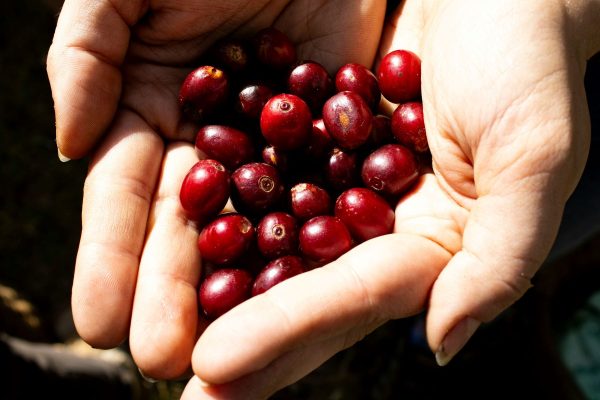
Rwandan coffee has moved from a post-genocide recovery story into one of East Africa’s most consistent specialty origins, and roasters paying attention to green coffee quality are taking notice. Over the past two decades, the country has rebuilt its coffee sector around washing stations, cooperative ownership, and a focus on fully washed Bourbon varieties that deliver the clean, bright cup profiles specialty buyers want. For roasteries sourcing green coffee, Rwanda now sits in a category where quality is predictable, traceability is strong, and pricing still leaves room for margin.
At Intercontinental Coffee Trading, we work directly with importers and washing stations across Rwanda’s main growing regions to bring roasteries green coffee that matches their cup profile and volume needs. If you’re evaluating Rwandan lots for your next green coffee buy, contact Intercontinental Coffee Trading to discuss what’s landing and what’s available on forward contracts.
The rest of this article covers what’s driving Rwanda’s quality curve, where the coffee is grown, how processing is evolving, what the cup tastes like, and what roasters should expect from the next few harvests.
The Quality Recovery Since 2000
Rwanda’s coffee sector was rebuilt almost from scratch after 1994. The government and international partners focused specifically on the specialty segment rather than trying to compete on commodity volume, and that decision shaped every investment that followed. Washing stations were built near farms to reduce the time between picking and processing, which is one of the biggest factors in cup quality for washed coffees.
By the mid-2000s, the Cup of Excellence program had arrived, giving producers direct feedback from international judges and a pathway to premium pricing. The trajectory since then has been steady rather than explosive, which is exactly what roasters want from a reliable origin.
Growing Regions and Their Profiles
Rwanda is small, but the coffee-growing areas have distinct characteristics that roasters should understand before buying.
Western Province and Lake Kivu
The shores of Lake Kivu produce some of the country’s most sought-after lots. Elevations here run from around 1,700 to 2,000 meters, and the lake moderates temperatures in a way that slows cherry maturation. The cup tends toward floral aromatics, tea-like body, and clean citrus acidity.
Southern Province
Huye, Nyamagabe, and Nyaruguru produce coffees with fuller body and more stone fruit character. Elevations are similar to the west, but the soil composition and rainfall patterns push cups toward apricot, plum, and brown sugar sweetness.
Northern Province
Rulindo and Gakenke are less famous but produce balanced, approachable coffees that work well in blends or as entry-level single origins for cafes that want something different without going too aggressive on the flavor profile.
The Bourbon Variety Advantage
Nearly all of Rwanda’s coffee is Red Bourbon, a heritage variety prized for sweetness and cup clarity. Unlike origins that have shifted heavily toward disease-resistant hybrids, Rwanda has kept Bourbon as the backbone of its production. This gives roasters a consistent varietal reference point, which matters when you’re building a menu and want each origin to bring something specific to the lineup.
Processing Methods and Where They’re Going
Fully washed processing remains the standard, and Rwandan washing stations have gotten very good at it. Cherries are floated, depulped, fermented, washed, and dried on raised beds in a tightly controlled sequence.
Natural and honey processing are growing, though slowly. The country’s climate is wetter than Ethiopia or parts of Brazil, which makes naturals harder to execute without defects. The washing stations experimenting with these methods are producing some remarkable lots, but volumes are small and pricing reflects that.
Anaerobic and extended fermentation lots are also appearing in small quantities, driven by competition entries and specialty roaster demand. Expect to see more of these in the coming harvests, but don’t plan your menu around consistent availability yet.
What to Expect in the Cup
Washed Rwandan coffees typically deliver these characteristics:
- Clean, bright acidity with citrus or red apple notes
- Floral aromatics, often jasmine or honeysuckle on higher-grown lots
- Tea-like body on western lots, fuller body on southern lots
- Sweetness ranging from brown sugar to stone fruit
- Clean finish without the earthy or wine-like notes found in some East African coffees
The potato defect, which Rwandan coffee dealt with for years, has been dramatically reduced through improved sorting and handling. It still appears occasionally but is no longer a significant concern for most buyers.
Pricing and Market Position
Rwanda sits in a useful pricing tier for roasteries. It’s priced below top Ethiopian and Kenyan lots but above most Central American origins at comparable quality levels. For a cafe or roastery building a specialty menu, this makes Rwanda a strong option for filling the African slot without the cost or volatility of the more famous origins.
Forward contracts are increasingly common, and roasters who commit early to specific washing stations often get better access to microlots and competition-level coffees.
Challenges Ahead
Climate variability is the biggest risk factor. Rainfall patterns have become less predictable, and some regions have seen yield drops in recent harvests. Labor costs are rising, and younger generations are moving away from farming in some areas.
Traceability infrastructure is strong by African standards but still inconsistent across all washing stations. Roasters who want deep supply chain transparency should work with importers who have direct relationships at the station level.
What Roasteries Should Do Now
Rwanda should be on any specialty roaster’s short list for the next 12 to 24 months. Here’s what to prioritize:
- Taste samples from at least two different regions before committing
- Ask about washing station relationships and processing details
- Consider forward contracts for competition lots or specific microlots
- Build in flexibility for experimental processing lots when available
- Plan for some harvest-to-harvest variation in specific flavor profiles
Intercontinental Coffee Trading works with roasteries at every volume level to source green Rwandan coffee that fits their menu, and we can help you evaluate what’s coming in the next harvest cycle.