 A green coffee minimum order is the smallest quantity an importer will sell — sometimes a single bag, sometimes a full container, depending on the supplier. For new and growing roasters, that number shapes how much cash you tie up and how fresh your coffee stays. Intercontinental Coffee Trading (ICT Coffee), a San Diego-based specialty green coffee importer serving roasters across the USA and Canada, works with roasters at a range of volumes, and this guide explains how minimums actually work so you can plan around them.
What “Minimum Order” Means in Green Coffee
Green coffee is traded in whole bags, and bag weight depends on origin. The most common bag in international trade is 60kg (about 132 lbs), used across most of Africa and Central America, while Colombia ships in 70kg bags and some origins use other weights, as MTPak Coffee documents. A supplier’s minimum order quantity, or MOQ, is the fewest bags they’ll sell of a given lot.
That number varies widely. Some importers trade only in full-bag or full-pallet quantities; others sell partial bags or even smaller increments to smaller roasters. ICT lists current lots with available quantities on its live inventory, so you can see what’s available before you ask.
Why Minimums Exist
Minimums aren’t arbitrary. Importers buy at origin in container loads, warehouse the coffee, and carry the cost until it sells. Selling in whole bags keeps handling manageable and pricing workable. The smaller the increment a supplier offers, the more labor and warehouse complexity they absorb on your behalf — which is part of why importers that serve small roasters are valuable.
Understanding this helps you negotiate sensibly. Asking a container-only trader for a single bag won’t work; asking an importer built for small accounts will. ICT explains the importer’s role in the supply chain in its overview of wholesale coffee suppliers.
Matching Order Size to Your Roast Volume
The right order size keeps coffee moving before it ages. A rough planning method: estimate your weekly green consumption, then buy what you’ll roast within a reasonable window. A roaster going through 50 lbs a week will take months to finish a single 132-lb bag — long enough that freshness becomes a real concern with some origins.
This is where smaller minimums help newer roasters. Buying a single bag of several origins beats committing to multiple bags of one and watching the rest fade. ICT’s sourcing guide for small roasters walks through right-sizing orders as you grow.
Freshness and Storage Once the Coffee Is Yours
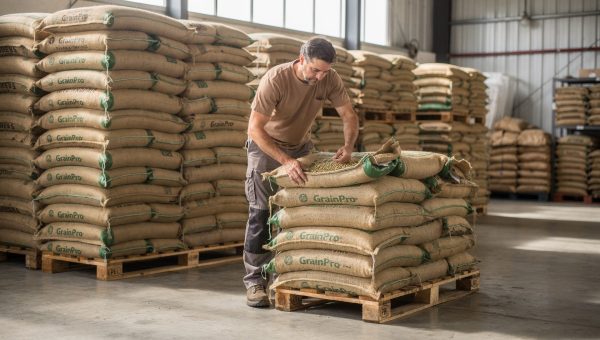
Green coffee isn’t immortal. It slowly loses the bright acidity and sweetness that define a fresh crop, and poor storage speeds that up. Jute bags without a hermetic liner expose beans to air and humidity, while GrainPro and similar food-grade liners hold freshness far longer, as Perfect Daily Grind’s storage coverage details. Keep green coffee cool, dry, and sealed between uses.
One advantage of buying from a warehousing importer: they can hold part of a larger commitment in proper storage and release it as you need it, rather than dumping the whole volume on your floor. ICT covers freshness in its guide to preserving the freshness of green coffee.
Not sure how much to order? Request up to four free samples from ICT Coffee and start with quantities that fit your roast volume — we work with roasters of every size.
How Samples Lower the Risk of a Minimum
The smartest way to handle a minimum order is to never commit to one blind. A free sample lets you cup a lot before buying a full bag, so the MOQ applies only to coffee you’ve already approved. This single step prevents the most common new-roaster mistake: buying a bag of something that doesn’t suit your menu. ICT offers up to four free samples — its sample request guide explains how to request and evaluate them.
Lead Times and Warehouse Pickup
Minimums interact with logistics. An importer with regional warehouses can ship small orders quickly and let you reorder often instead of stockpiling. Ask where the coffee ships from, the typical transit time to you, and whether you can pick up locally. ICT’s logistics network spans coasts so roasters can order in sizes that match demand without long waits. For most growing roasters, frequent small orders beat one large order that ages on the shelf.
Getting Started With ICT
ICT structures its program to work for roasters who can’t or shouldn’t buy container loads. You can request samples, talk through realistic quantities for your roast volume, and order what fits — with the same Q Grader verification applied whether you buy one bag or fifty. To see current options and minimums, request a quote or browse the wholesale green coffee listings.
Frequently Asked Questions About Green Coffee Minimum Orders
What is a typical green coffee minimum order?
It varies by supplier. Some importers require full bags (commonly 60–70kg), pallets, or even containers; others sell partial bags to small roasters. There’s no universal number — the minimum depends on the importer’s model and the specific lot. Always confirm the MOQ for the exact coffee you want.
Can a small roaster buy green coffee wholesale?
Yes. Importers built for small accounts, including ICT, sell in quantities that work for roasters going through modest volumes. Starting with single bags of a few origins is a common and sensible approach when you’re new to wholesale sourcing.
How long does green coffee stay fresh?
Properly stored in a cool, dry place with a hermetic liner, green coffee holds quality for many months, though it gradually loses brightness. Buy quantities you’ll roast within a reasonable window, and ask your supplier about storage conditions for any coffee held on your behalf.
How do I order the right amount from ICT?
Estimate your weekly green consumption, request samples of lots that fit your menu, then order quantities you’ll roast before quality fades. ICT’s team helps right-size orders. Request a quote for current minimums and pricing.
Order Green Coffee in Sizes That Fit Your Roastery
ICT Coffee works with roasters of every scale — no container-only minimums required. Start with free samples, then order quantities matched to your roast volume, all Q Grader verified.
Request your free samples or call us at (619) 338-8335 to plan your first order.