
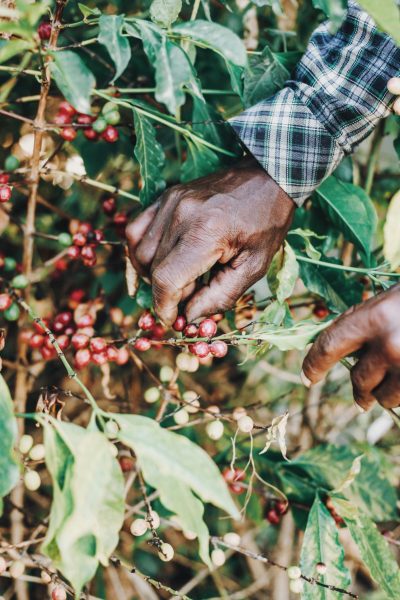
Ethiopia produces some of the most sought-after coffee on the planet, and the regional designation on each lot tells roasters exactly what to expect in the cup. Whether you’re sourcing Yirgacheffe, Sidamo, Guji, or Harrar, understanding these designations helps you make smarter purchasing decisions and communicate origin stories to your customers.
Intercontinental Coffee Trading supplies green, unroasted Ethiopian coffee beans to roasteries across the country — reach out to our team to find the right regional lots for your roasting program. Each Ethiopian growing region carries a distinct flavor profile shaped by altitude, soil composition, processing tradition, and heirloom varietals. For roasters building a lineup or expanding their single-origin offerings, knowing the differences between these designations is the first step toward sourcing with confidence.
Why Ethiopian Coffee Designations Matter
Ethiopian coffee is categorized by region rather than by individual farm or estate, which sets it apart from many other origins. The Ethiopian Commodity Exchange (ECX) historically grouped coffees by growing zone, and those regional names have become shorthand for specific cup characteristics.
For roasters, this means the regional designation on a contract or sample is your primary indicator of what that coffee will taste like. A washed Yirgacheffe will deliver a very different experience than a natural Harrar, and your customers have come to expect those distinctions.
How the Grading System Works
Ethiopian coffees are graded on a scale from Grade 1 to Grade 5, with Grade 1 representing the fewest defects. Specialty lots typically fall within Grade 1 or Grade 2. The grade works alongside the regional designation to define quality and price.
Processing method is the other major variable. Washed and natural lots from the same region can taste remarkably different, so roasters should always confirm both region and process when evaluating a lot.
Yirgacheffe: The Benchmark for Washed Ethiopian Coffee
Yirgacheffe sits within the broader Sidamo zone in southern Ethiopia, but it earned its own designation because of consistently high cup quality. Altitudes here range from 1,700 to 2,200 meters above sea level.
Washed Yirgacheffe is known for its clean, bright acidity and floral aromatics. Jasmine, bergamot, lemon, and stone fruit are common tasting notes. These coffees tend to be light-bodied with a tea-like quality that appeals to specialty consumers.
Natural Yirgacheffe lots lean toward berry-forward sweetness with a heavier body. Blueberry and strawberry notes are frequently identified in cupping.
Sidamo: Broad Range, Consistent Quality
Sidamo covers a large growing area in the Southern Nations region. Because of its size, Sidamo lots can vary more than Yirgacheffe lots, but the overall profile trends toward balanced sweetness with citrus and chocolate undertones.
Altitudes across Sidamo range from 1,500 to 2,200 meters. Washed Sidamo coffees typically show a medium body with bright acidity, while naturals offer more fruit-forward complexity.
Roasters sourcing Sidamo should pay close attention to the specific washing station or kebele listed on the lot, as micro-regional differences within Sidamo can be significant.
Guji: A Rising Designation Among Ethiopian Regions
Guji was traditionally grouped under Sidamo but received its own designation as demand for its coffees grew. The Guji zone includes high-altitude areas like Shakiso, Uraga, and Hambela, where some of the most complex Ethiopian lots originate.
What Sets Guji Apart in the Cup
Guji coffees often display a combination of fruit sweetness, floral aromatics, and a syrupy body that distinguishes them from neighboring Sidamo lots. Common tasting notes include:
- Ripe peach and tropical fruit in washed lots
- Intense blueberry and wine-like sweetness in naturals
- Honey and brown sugar undertones at darker roast levels
- Delicate jasmine and citrus blossom aromatics
The altitude in Guji frequently exceeds 2,000 meters, which contributes to the density and complexity of these beans. Intercontinental Coffee Trading has seen growing demand from roasteries looking to feature Guji as a premium single-origin offering.
Harrar: Ethiopia’s Iconic Natural Process Region
Harrar is located in eastern Ethiopia and produces almost exclusively natural-processed coffee. The dry climate and lower rainfall in this region make sun-drying the practical choice.
Harrar coffees are bold and full-bodied with pronounced fruit and wine characteristics. Blueberry, dark chocolate, and dried fruit are hallmark flavors. These lots work well as single origins for customers who prefer a heavier, more fruit-forward cup, and they can also add depth to espresso blends.
Harrar’s Place in the Specialty Market
Harrar has a long trading history and remains one of the most recognizable Ethiopian designations worldwide. While Yirgacheffe and Guji have captured much of the specialty spotlight in recent years, high-quality Harrar lots continue to command strong interest from roasters building diverse origin lineups.
Limu and Jimma: Western Ethiopian Designations
Western Ethiopia’s Limu and Jimma regions produce coffees that differ noticeably from their southern and eastern counterparts. These regions sit at slightly lower altitudes, generally between 1,400 and 2,000 meters.
Limu coffees are typically washed and offer a balanced cup with mild acidity, wine-like sweetness, and spice notes. Jimma lots tend toward more commercial grade but can still offer good value for blends.
Key characteristics of western Ethiopian coffees include:
- Lower acidity compared to Yirgacheffe or Guji
- Balanced body with subtle fruit and spice notes
- Reliable consistency across harvest seasons
- Strong performance in medium to dark roast profiles
Roasters looking for approachable Ethiopian coffees that don’t lean heavily floral or fruity often find Limu to be a solid fit.
How to Source Ethiopian Coffee by Regional Designation
When building your Ethiopian sourcing plan, start by identifying which flavor profiles match your customer base. A roastery focused on light-roast single origins will gravitate toward washed Yirgacheffe and Guji. A shop with strong espresso sales might prioritize Harrar or natural Sidamo for blend development.
Intercontinental Coffee Trading works directly with roasteries to match Ethiopian regional lots to specific roasting goals. Seasonal availability, lot size, and processing method all factor into which designations make sense for your program.
Ask for pre-shipment samples whenever possible. Ethiopian coffees can vary from harvest to harvest, and cupping before committing to a contract helps ensure the lot meets your expectations.
Building Your Ethiopian Coffee Lineup
Ethiopian regional designations give roasters a reliable framework for understanding what’s in each bag before it arrives at the roastery. By learning the differences between Yirgacheffe, Sidamo, Guji, Harrar, Limu, and Jimma, you can source more strategically and tell stronger origin stories to your customers.
Start with one or two regions that align with your roasting style, then expand as your team gets more comfortable evaluating Ethiopian lots. The diversity within Ethiopian coffee means there’s a regional designation for nearly every roast profile and customer preference.