
How Drying Methods Shape the Coffee You Roast
The way green coffee beans are dried after processing has a direct impact on flavor, consistency, and shelf life. For roasteries sourcing beans from different origins, understanding the difference between shade drying and mechanical drying is one of the most practical ways to predict how a coffee will perform once it hits the roaster. Shade drying, also called sun drying or patio drying, relies on ambient air and sunlight over an extended period. Mechanical drying uses heated air and controlled environments to speed up the process. Both methods have a place in modern coffee production, and each comes with trade-offs that affect the final product.
At Intercontinental Coffee Trading, we source green, unroasted coffee beans from producing regions around the world and work directly with roasteries that need reliable, well-processed lots. Knowing how your beans were dried helps you make better purchasing and roasting decisions.
What Is Shade Drying?
The Traditional Approach to Coffee Drying
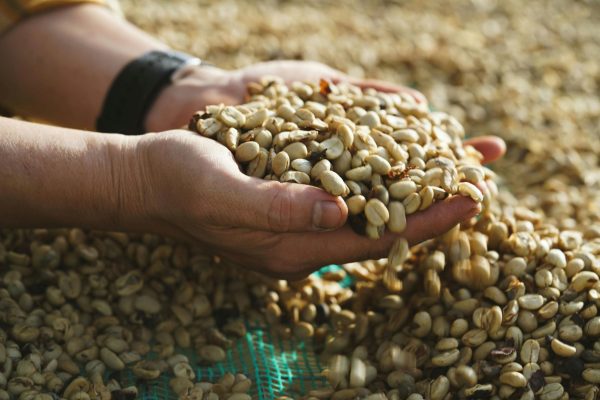
Shade drying is the oldest and most widely used method for reducing moisture content in freshly processed coffee. After pulping and washing (or in the case of naturals, immediately after harvest), beans are spread on raised beds, patios, or tarps and left to dry under open air.
The process typically takes between 10 and 30 days, depending on humidity, altitude, and weather conditions at the farm or mill. Workers turn the beans regularly to promote even drying and prevent mold growth. The goal is to bring moisture content down from around 50–60% to the industry-standard range of 10–12%.
Why Producers Choose Shade Drying
Many specialty coffee producers prefer shade drying because of the slower, more gradual moisture loss. This extended timeline allows sugars and organic acids within the bean to develop more fully, often producing a cleaner and more complex cup profile.
Shade drying also requires minimal infrastructure. Raised beds can be built with local materials, and the process doesn’t depend on electricity or fuel. For smallholder farmers in remote areas, this makes it the most accessible option.
What Is Mechanical Drying?
How Machines Accelerate the Process
Mechanical dryers, sometimes called guardiolas or static dryers, use heated air circulated through rotating drums or stationary chambers. This brings moisture content down to the target range in 24 to 72 hours rather than weeks.
The beans are loaded into the dryer, and a heat source (usually propane, wood, or diesel) warms the air that passes over them. Temperature and airflow are monitored to prevent overheating, which can damage cell structure and produce flat or baked flavors.
Where Mechanical Drying Fits
Large-scale commercial operations and cooperatives with high throughput rely on mechanical drying to process volume efficiently. During peak harvest, when hundreds of thousands of pounds of cherry come in within a narrow window, waiting for shade drying simply isn’t practical.
Mechanical drying also provides a safeguard against weather. In regions with unpredictable rain during harvest, a sudden downpour can ruin an entire patio of drying coffee. Mechanical dryers eliminate that risk.
Flavor and Quality Differences
How Each Method Affects the Cup
Shade-dried coffees tend to retain more origin character. The slow drying process preserves delicate flavor compounds that can be diminished or altered by heat exposure. Roasters working with single-origin specialty lots often find that shade-dried beans offer more nuance in the cup, with brighter acidity and a wider range of tasting notes.
Mechanically dried coffees are not inherently lower quality, but the margin for error is narrower. If the drying temperature exceeds 40–45°C (104–113°F), the beans can develop a papery or flat taste. When done correctly at lower temperatures, mechanical drying can produce clean, consistent results that hold up well in blends and commercial-grade offerings.
Moisture Content and Shelf Stability
Why Uniform Drying Matters for Storage
One of the biggest advantages of mechanical drying is consistency. Because temperature and airflow are controlled, the final moisture content tends to be more uniform across a lot. Uneven drying—common with shade drying during variable weather—can lead to pockets of higher moisture within a batch. Over time, those pockets become sites for mold, fermentation defects, or accelerated aging.
For roasteries that store green coffee for weeks or months before use, uniformly dried beans maintain their quality longer. Moisture readings should fall between 10% and 12%, and water activity levels below 0.65 aW are considered safe for long-term storage.
The Hybrid Approach
Combining Both Methods
Many producers now use a hybrid approach, starting with shade drying and finishing with mechanical drying. This captures the flavor benefits of slow initial moisture loss while ensuring the final stage is controlled and consistent.
A common method is to shade dry the beans until moisture reaches 15–18%, then transfer them to a mechanical dryer to bring them down to the final target. This reduces the time beans spend vulnerable to weather on the patio and gives the producer more control over the outcome.
The hybrid model has become popular in several major producing regions:
- Colombia — High-altitude farms with variable weather use raised beds for initial drying, then finish in guardiola-style mechanical dryers to protect against afternoon rain.
- Brazil — Large estates combine patio drying with mechanical dryers to handle the volume of harvest while still allowing some slow moisture reduction early in the process.
- Central America — Cooperatives in Guatemala, Honduras, and Costa Rica increasingly use hybrid workflows to balance quality goals with the practical demands of a short harvest window.
Key Factors to Consider When Sourcing
What Roasteries Should Ask Their Supplier
When evaluating green coffee lots, the drying method is worth knowing. Here are the factors that matter most:
- Drying method used — Was the lot shade dried, mechanically dried, or processed with a hybrid approach? This affects flavor development and consistency.
- Final moisture content — Ask for the specific reading. Lots outside the 10–12% range may present storage or roasting challenges.
- Drying duration and conditions — Longer shade drying in humid climates carries higher risk of defects, while rushed mechanical drying at high temperatures can damage bean structure.
- Water activity measurement — A reading below 0.65 aW indicates safe long-term storage potential.
Making Informed Sourcing Decisions
Why Drying Method Should Be Part of Your Buying Criteria
Drying isn’t just a production detail. It’s a quality indicator. The method a producer uses reflects their infrastructure, their priorities, and their ability to manage risk during post-harvest processing. For roasteries building a lineup of offerings, this context helps explain why two lots from the same region can taste noticeably different.
Asking about drying method also signals to your supplier that you care about traceability and process transparency. It opens up better conversations about what’s in the pipeline and which lots are worth cupping.
At Intercontinental Coffee Trading, we provide detailed lot information for every origin we carry, including processing and drying method. If you’re looking for well-sourced green coffee beans with full traceability, reach out to our team to discuss your next order.
Understanding how your coffee was dried gives you one more tool to predict performance, manage inventory, and deliver a better product to your customers. Whether you favor the complexity of shade-dried lots or the consistency of mechanically dried beans, the key is knowing what you’re working with before it goes into the roaster.