
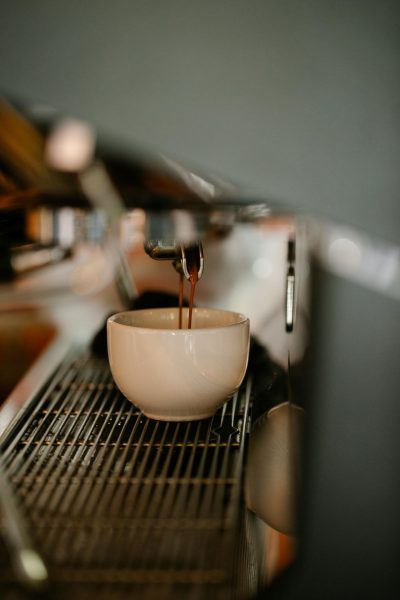
The way you roast a coffee bean determines how it performs in the cup, and the gap between filter roasting and espresso roasting is wider than most people realize. Brew method, grind size, water contact time, and extraction pressure all change what a roast needs to deliver. Getting this right starts with sourcing the right green coffee. Intercontinental Coffee Trading supplies unroasted beans from origins worldwide, giving roasteries the flexibility to dial in profiles for any brew method — explore their current offerings to find the right lot for your next roast.
Whether you run a production roastery or roast at home, understanding how filter and espresso roasts differ will sharpen every batch you produce. This guide breaks down the key differences across development, flavor, and bean selection.
Why Brew Method Matters Before the Roast Begins
Filter coffee and espresso extract differently at a fundamental level. Filter brewing uses gravity and a longer contact time, typically between three and five minutes. Espresso forces hot water through a compressed puck at high pressure in roughly 25 to 30 seconds.
That difference in extraction time and pressure changes everything about how a roast should be developed. A roast profile that works perfectly for a pour-over can taste harsh and sour as an espresso shot. The reverse is also true — a roast built for espresso can taste flat and overly heavy in a filter brewer.
Planning the roast around the intended brew method is not optional. It is the starting point.
Roast Development and How It Shifts Between Profiles
Development Time Ratio for Filter Roasts
Filter roasts generally benefit from a shorter development time after first crack. The goal is to preserve origin character, acidity, and clarity. Many filter roasts land somewhere between a light and medium level, with development time ratios around 20 to 25 percent of total roast time.
Dropping the beans earlier keeps the cellular structure more intact, which allows water to extract sugars and acids gradually during a longer brew.
Development Time Ratio for Espresso Roasts
Espresso roasts typically push further past first crack. A longer development phase, often 25 to 30 percent or more, helps break down the bean’s structure so that a short, high-pressure extraction can pull balanced flavor.
Underdeveloped espresso roasts tend to produce sour, thin shots because the water cannot extract enough soluble material in such a short window.
Color and Roast Level Differences
Filter roasts tend to finish lighter. The surface color is often a light brown to medium brown, and the bean may show some mottling depending on origin and processing method.
Espresso roasts go darker on average, though the specialty coffee industry has pushed espresso roasts lighter over the past decade. A medium to medium-dark finish gives espresso the body and reduced acidity that most drinkers expect from a shot.
Color alone does not tell the full story. Internal bean development matters more than surface appearance, which is why sample roasting and cupping remain part of the process at every level.
How Flavor Profiles Change Between the Two Approaches
Flavor Goals in Filter Roasting
Filter roasting highlights transparency. The cup should reflect where the coffee came from and how it was processed. Expect brighter acidity, floral or fruit-forward notes, and a cleaner finish.
Light roast filter coffees from Ethiopian naturals or washed Kenyan lots can display complex fruit and tea-like qualities that would be muted in a darker roast.
Flavor Goals in Espresso Roasting
Espresso roasting shifts the balance toward body, sweetness, and lower acidity. Chocolate, caramel, and nut-forward flavors tend to dominate well-roasted espresso.
Because espresso concentrates everything, any roast flaw becomes louder. Bitterness from over-development or sourness from under-development is harder to hide than it is in a filter brew.
Bean Selection and Origin Considerations
Not every green coffee works well for both filter and espresso. Roasters who source from Intercontinental Coffee Trading often select different lots depending on the intended brew method.
- High-altitude washed coffees from East Africa and Central America tend to perform well as filter roasts due to their pronounced acidity and complex flavor
- Brazilian naturals and pulped naturals are popular for espresso blends because of their heavy body, low acidity, and chocolate or nut characteristics
- Single-origin espresso often calls for beans with balanced acidity and enough sweetness to hold up under pressure extraction
- Blending multiple origins for espresso allows roasters to build body from one component and brightness from another
Choosing the right green coffee for the job saves time on the roaster and produces a better result in the cup.
Charge Temperature and Rate of Rise
Charge temperature — the drum temperature when beans are dropped in — often differs between filter and espresso roasts. Filter roasts may use a slightly lower charge temp to allow a gentler ramp and preserve delicate compounds.
Espresso roasts sometimes start with a higher charge temperature to build momentum for the longer development phase ahead.
Rate of rise, or how quickly the bean temperature climbs, also shifts. Filter roasts often maintain a steadily declining rate of rise throughout the roast. Espresso profiles may include a more aggressive push through the drying phase before slowing into development.
These adjustments are subtle but measurable, and they add up over the course of a batch.
Cooling and Post-Roast Behavior
Both roast styles need fast cooling to stop development once beans hit the drop point. Slow cooling can push a filter roast past its target and dull the acidity the roaster worked to preserve.
Espresso roasts benefit from a rest period after roasting, often five to ten days, to allow CO2 to degas. Freshly roasted espresso tends to produce uneven extractions and excessive crema that masks flavor.
- Filter roasts are often ready to brew sooner, sometimes within three to five days post-roast
- Espresso roasts typically peak in flavor between seven and fourteen days after roasting
- Whole bean storage in sealed, valve-equipped bags helps both styles maintain freshness
- Dialing in espresso grind and dose should account for where the coffee sits in its degassing window
Tracking rest time is just as important as tracking roast time when consistency matters.
Bringing It All Together
Filter roasting and espresso roasting are not just different points on a color chart. They require different development strategies, different bean selections, and different post-roast handling.
The best roasters treat each brew method as its own discipline. They choose green coffee with a specific goal, build a profile to match, and track results cup by cup.
Roasteries sourcing through Intercontinental Coffee Trading have access to a wide range of origins and processing methods, making it easier to find the right bean for the right roast. Whether the coffee ends up in a pour-over or a double shot, the work starts with what goes into the drum.