
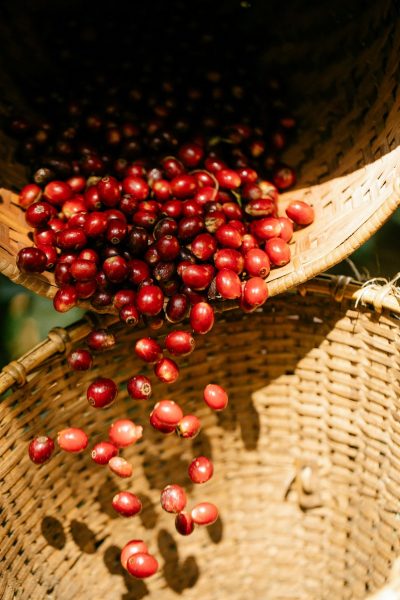
Understanding Coffee Harvest Cycles
For roasteries sourcing green coffee, timing purchases around harvest seasons determines the quality and freshness of every batch. Coffee is an agricultural product, and unlike shelf-stable commodities, green coffee has a window of peak freshness that directly affects cup quality.
Most coffee-producing regions harvest once per year, though some equatorial countries see two distinct harvest periods. Planning your purchasing calendar around these cycles ensures you receive freshly harvested coffee rather than past-crop inventory that may have lost flavor complexity.
The Northern Hemisphere harvests between September and March, covering major origins like Ethiopia, Guatemala, Mexico, and Honduras. Southern Hemisphere countries including Brazil, Peru, and parts of Indonesia typically harvest from April through September.
Understanding these windows allows roasteries to plan inventory, manage cash flow, and secure allocations from high-demand lots before they sell out.
Why Harvest Timing Affects Bean Quality
Freshness and Flavor Development
Green coffee is at its flavor peak within the first few months after processing. As coffee ages, it loses acidity, brightness, and the nuanced characteristics that define single-origin offerings.
Purchasing close to harvest means your roastery receives coffee with intact flavor compounds. This translates directly to better-tasting coffee and stronger differentiation for your brand.
Moisture Content and Storage
Freshly processed green coffee maintains optimal moisture levels between 10-12%. Over time, coffee loses moisture and develops woody, flat characteristics that no roast profile can correct.
Aligning purchases with harvest seasons reduces the time coffee spends in storage and minimizes quality degradation.
Major Origin Harvest Windows
Central and South America
Central American coffees from Guatemala, Honduras, Costa Rica, and Nicaragua harvest primarily from November through March. Colombian coffee, due to its geography, offers both a main crop (October-December) and a mitaca crop (April-June).
Brazilian coffee, the world’s largest supply, harvests from May through September. Peru and Bolivia follow similar timelines.
Africa and the Middle East
Ethiopian coffees harvest between October and February, with washed lots typically arriving at port from February through May. Kenyan coffee follows a main crop from October to December and a fly crop from June to August.
Yemen’s limited production harvests from November through January.
Asia and the Pacific
Indonesian coffees vary by island. Sumatra’s primary harvest runs from September through December, while Java and Sulawesi harvest June through September. Papua New Guinea harvests April through August.
Building Your Annual Purchasing Calendar
Creating a 12-month purchasing plan requires mapping origin harvest schedules against your roastery’s demand patterns.
Start by identifying your core offerings and their origins. If Ethiopian Yirgacheffe is a signature coffee, you need to secure allocations in early spring when fresh crop arrives at export.
Factor in shipping times. Ocean freight from East Africa takes 4-6 weeks to reach U.S. ports. Central American coffees may arrive within 2-3 weeks.
Build relationships with importers who can provide accurate arrival estimates and pre-ship samples for approval.
Working With Seasonal Availability
Rotating Single Origins
Many roasteries rotate single-origin offerings based on what’s freshest. This approach keeps your menu dynamic and ensures you’re always showcasing coffee at peak quality.
Communicate these rotations to customers as a feature, not a limitation. Coffee enthusiasts appreciate seasonality and understand why their favorite Guatemalan may only appear from January through June.
Maintaining Blend Consistency
Blends require more planning. If your house blend includes Brazilian and Ethiopian components, you need to account for opposite harvest schedules.
Some roasteries adjust blend recipes seasonally, substituting origins with similar profiles when primary components age out. Others purchase larger quantities of stable, well-stored coffee to maintain year-round consistency.
Inventory Management Strategies
Successful purchasing calendars balance freshness against the practicalities of inventory management.
- Purchase 3-4 months of inventory for high-turnover coffees
- Store green coffee in climate-controlled environments at 60-70°F
- Monitor humidity levels to prevent moisture loss or absorption
- Rotate stock using first-in, first-out protocols
- Track cupping scores monthly to identify quality changes
Smaller roasteries may prefer more frequent, smaller purchases to minimize storage requirements. Larger operations can justify climate-controlled warehousing that extends usable shelf life.
Securing Allocations and Building Relationships
High-quality micro-lots sell out quickly. Roasteries competing for limited offerings need to establish purchasing patterns that earn importer priority.
- Commit to annual contracts for consistent origins
- Provide deposit payments to secure pre-arrival allocations
- Attend origin trips or cupping events to strengthen partnerships
- Communicate volume forecasts early in the harvest cycle
- Pay invoices promptly to maintain preferred buyer status
Intercontinental Coffee Trading works directly with roasteries to align purchasing schedules with harvest arrivals, ensuring access to fresh crop offerings across all major origins. Contact our team to discuss allocation availability and build a purchasing calendar that supports your quality standards.
Long-Term Planning and Market Awareness
Coffee markets fluctuate based on weather, political conditions, and global demand. A purchasing calendar should account for these variables.
Monitor crop reports from major origins. A drought in Brazil or frost in Colombia affects global supply and pricing months before harvest arrives.
Diversify your origin portfolio to reduce exposure to single-country risks. If one origin experiences a poor harvest, alternatives keep your roastery operational.
Build cash reserves that allow opportunistic purchasing when exceptional lots become available outside your normal calendar.
Planning ahead transforms purchasing from reactive ordering into strategic sourcing that supports consistent quality and healthier margins throughout the year.