
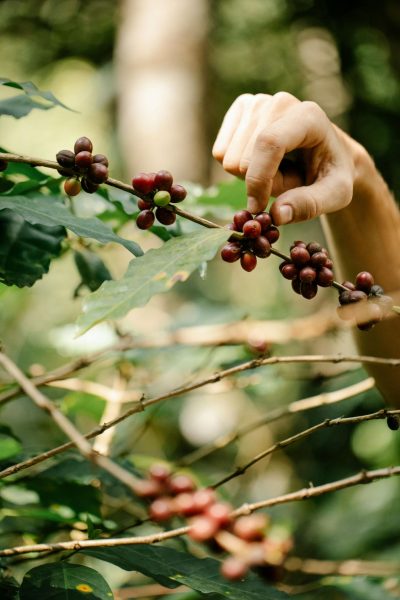
Coffee cherry ripeness determines the sugar content, acidity, and flavor compounds that end up in your roasted beans. Underripe cherries produce sour, astringent cups with grassy notes, while overripe cherries create fermented, vinegar-like flavors. The window for peak ripeness is narrow—typically just 2-3 weeks per harvest cycle.
Producers who harvest at optimal ripeness achieve 15-25% higher cupping scores compared to mixed-ripeness lots. The difference shows up in every aspect of the cup: clarity, sweetness, body, and finish. Sugar content in ripe cherries reaches 18-22% brix, compared to just 8-12% in underripe fruit. This sugar concentration directly impacts caramelization during roasting and perceived sweetness in the final cup.
Professional buyers can identify ripeness issues from the first sip. Green, vegetal notes signal underripe harvesting. Fermented or boozy characteristics point to overripe fruit. Achieving consistency across an entire lot requires selective picking—sometimes three or four passes through the same trees.
The Science of Cherry Development
Coffee cherries transition through distinct color stages as they mature. Green cherries contain high chlorophyll and low sugar. Yellow or orange stages represent intermediate ripeness with rising sugar content but incomplete acid development.
Deep red to purple coloring indicates full maturity, though the exact shade varies by variety. Gesha often shows lighter red tones at peak ripeness, while some Ethiopian heirlooms turn almost black. Appearance alone doesn’t guarantee quality—the internal chemistry matters most.
Chemical Changes During Ripening
Sugar accumulation accelerates in the final three weeks before peak ripeness. Sucrose levels rise while reducing sugars (glucose and fructose) reach optimal ratios for roasting reactions. Chlorogenic acids decrease while beneficial organic acids develop complexity.
Volatile compounds multiply as cherries ripen. Underripe fruit contains primarily aldehyde compounds that create harsh, grassy flavors. Fully ripe cherries develop esters, ketones, and complex alcohols that translate into fruity, floral, and sweet notes after processing and roasting.
Harvest Timing Challenges
Most coffee-growing regions experience overlapping ripeness across a single farm. Elevation, sun exposure, and tree age create variation in cherry development. Trees on hillside slopes may ripen two weeks earlier than valley-floor plants.
Weather patterns complicate timing decisions. Unexpected rain can push overripe cherries into fermentation within 24-48 hours. Drought stress may halt ripening entirely, forcing producers to choose between underripe harvests or potential crop loss.
Selective handpicking addresses variation but increases labor costs by 40-60% compared to strip-picking methods. Strip-picking harvests all cherries regardless of ripeness, creating lots with mixed quality that pull down cupping scores.
Processing and Ripeness Interaction
Processing methods respond differently to ripeness variations:
- Washed processing exposes ripeness defects clearly, making underripe cherries immediately obvious through sour, papery flavors
- Natural processing can mask some underripe characteristics through fruit fermentation, but risks over-fermentation with overripe cherries
- Honey processing falls between the two, requiring balanced ripeness to achieve clean sweetness without fermentation defects
- Anaerobic methods amplify whatever characteristics exist in the cherry—ripe fruit produces intensified fruit notes, underripe lots become more acidic and harsh
Quality-focused producers often sort cherries by ripeness before processing. Flotation tanks separate underripe floaters from ripe sinkers in washed processing. Hand-sorting tables allow workers to remove green and overripe cherries from natural lots.
Visual and Physical Indicators
Experienced pickers learn to identify ripe cherries without cutting them open:
- Firmness: Ripe cherries have slight give when pressed, underripe fruit feels hard, overripe cherries turn mushy
- Skin texture: Smooth, taut skin indicates ripeness, while wrinkled skin suggests over-maturity
- Detachment ease: Properly ripe cherries release easily from the branch, green cherries resist picking and may damage the tree
- Color uniformity: Even coloring across the entire cherry signals complete ripening, while patches of green or yellow indicate incomplete maturation
Some producers use refractometers to measure brix levels in sample cherries throughout the harvest season. Readings above 20% brix generally indicate peak ripeness, though ideal levels vary by variety and growing conditions.
Economic Impact of Selective Harvesting
Premium markets reward ripeness consistency with significant price differentials. Specialty lots with uniform ripeness command 2-4x the price of commercial-grade mixed lots. Roasteries focused on competition-quality beans specifically seek single-pass, fully ripe harvests.
The labor investment pays off in repeat business and reputation. Farms known for ripeness discipline build long-term relationships with quality-focused buyers who return season after season.
Regional Approaches to Ripeness
Different origins have developed distinct harvesting traditions. Brazilian fazendas often use mechanical harvesters on flat terrain, requiring post-harvest sorting to remove underripe cherries. Colombian farms rely on multiple selective passes during the mitaca and main harvests.
Central American producers typically conduct 4-6 picking passes per season, training workers to select only deep red cherries. East African farms may pass through trees 8-10 times during extended harvest windows, targeting peak ripeness for each microclimate zone.
Sourcing Ripe-Picked Coffee
Intercontinental Coffee Trading sources green coffee from producers who prioritize ripeness consistency. Our selection process includes pre-shipment cupping to verify quality markers that indicate proper harvest timing. We work directly with farms that implement selective picking protocols and invest in sorting infrastructure.
Contact our team to discuss your roastery’s quality requirements and explore our selection of ripe-harvested lots from major growing regions.