
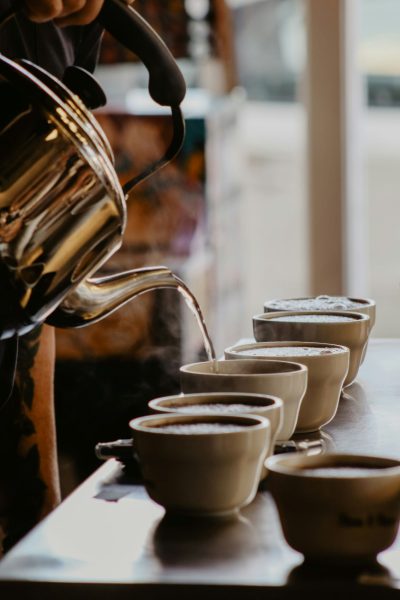
What Palate Calibration Means for Coffee Professionals
Consistent cupping scores start with a calibrated palate. Without regular calibration, even experienced Q graders and roasters drift in how they perceive acidity, sweetness, body, and aftertaste. That drift creates real problems—miscommunication between buyers and sellers, inconsistent roast profiles, and unreliable quality control across production cycles.
Palate calibration is the process of aligning your sensory perception with recognized standards so that your scores remain reliable over time. It ensures that an 84-point coffee you scored last month still scores 84 today, and that your team members arrive at similar conclusions when cupping the same lot.
At Intercontinental Coffee Trading, sourcing and supplying green, unroasted coffee beans from origins worldwide means consistency in evaluation directly impacts every transaction. When roasteries receive beans from us, they need confidence that the quality profile matches what was promised. That confidence begins with calibrated scoring at every stage of the supply chain. Explore our current offerings and origin selections at Intercontinental Coffee Trading.
How Sensory Drift Happens
Daily Biological Factors
Your palate is not a fixed instrument. It shifts based on what you ate for breakfast, how hydrated you are, whether you slept well, and even the ambient humidity in your cupping room. Capsaicin from spicy food can dull your perception of sweetness for hours. Dairy coats the tongue and reduces acidity detection. Dehydration concentrates saliva and alters how you perceive dissolved compounds in the cup.
Long-Term Perception Shifts
Over weeks and months, your flavor references can quietly recalibrate themselves without you noticing. If you spend a season cupping mostly naturals from Ethiopia, your baseline for fruitiness shifts upward. A washed Colombian that once struck you as bright and complex may suddenly seem flat by comparison. This isn’t because the coffee changed. Your internal reference points moved.
Building a Personal Flavor Reference Library
Using Known Samples as Anchors
The most effective way to fight sensory drift is to maintain a set of reference coffees that you return to regularly. These should span the scoring spectrum—keep samples you’ve scored at 80, 84, and 87+ and revisit them monthly.
Store green samples in airtight, opaque containers away from heat. Roast them on a consistent profile each time you recalibrate. The goal is not to chase a perfect score but to check whether your perception of the same coffee has shifted since your last session.
Documenting Your Baseline
Keep a cupping journal that goes beyond numbers. Write specific tasting notes each time you evaluate your reference samples. When you notice your descriptions changing for the same coffee, that’s your signal to recalibrate. Objective language matters here—”bright malic acidity” is more useful for calibration than “nice and tangy.”
Structured Calibration Exercises
Triangulation Cupping
Triangulation tests train your palate to detect differences under controlled conditions. Set up three cups where two are identical and one differs. The goal isn’t just to identify the odd cup—it’s to articulate why it’s different. Practice this weekly with coffees that are close in profile to sharpen your sensitivity to subtle distinctions.
Threshold Testing
Threshold exercises determine the lowest concentration at which you can detect a specific taste. Prepare solutions of citric acid, sucrose, salt, and caffeine at decreasing concentrations. Knowing your personal detection thresholds helps you understand where your palate is strong and where it has blind spots.
Scoring Alignment Sessions
If you work on a team, group calibration sessions are where consistency becomes actionable. Everyone cups the same coffees blind and compares scores afterward. Focus the discussion on these areas:
- Attributes where individual scores diverge by more than one point
- Whether the group tends to cluster high or low on specific attributes like body or sweetness
- Patterns in who consistently scores certain origins higher or lower than the group average
These sessions should happen at least monthly and follow a structured format where discussion centers on why scores differ rather than who is “right.”
Environmental Controls That Affect Scoring
Cupping Room Standards
Your environment introduces variables that compromise scoring if left unmanaged. The SCA recommends cupping rooms maintain specific conditions to reduce external influence on perception:
- Room temperature between 20–25°C (68–77°F)
- Water temperature at 93°C (200°F) at the time of pour
- Water TDS between 75–250 ppm, ideally 125–175 ppm
- Neutral lighting with no strong odors from cleaning products, perfumes, or cooking
- Consistent grind size using a burr grinder calibrated before each session
Even minor deviations in water chemistry or temperature change how acids, sugars, and volatile aromatics present in the cup.
Timing and Routine
Cup at the same time each day when possible. Your palate performs differently at 7 AM versus 2 PM. Fatigue, caffeine saturation, and post-meal digestion all influence perception. Many professionals find mid-morning—after a light breakfast and adequate hydration—to be their most reliable window.
Common Calibration Mistakes
Over-Reliance on Memory
Trusting your memory of how a coffee tasted three months ago is unreliable. Flavor memory degrades quickly and is easily contaminated by recent experiences. This is why physical reference samples and written notes matter more than recall.
Ignoring Physical Condition
Cupping while dehydrated, congested, or after eating strong flavors produces unreliable data. Treat your body like the instrument it is. Hydrate well before sessions, avoid heavily seasoned food for at least an hour prior, and skip cupping entirely when you have a head cold. Scoring under compromised conditions creates false baselines that compound over time.
Confusing Preference with Quality
Calibration requires separating what you like from what scores well on a standardized form. A coffee can be clean, complex, and well-balanced without being your personal favorite. The SCA cupping protocol exists specifically to create objectivity across subjective human perception. Train yourself to evaluate against the protocol rather than your taste preferences.
How Origin Diversity Strengthens Calibration
Cupping a wide range of origins and processing methods keeps your palate flexible and your reference points broad. Professionals who only evaluate coffees from one or two origins develop narrow calibration that breaks down when something unfamiliar hits the table.
Regular exposure to coffees from East Africa, Central and South America, and Southeast Asia forces your palate to recalibrate across different acidity profiles, body characteristics, and flavor compounds. A balanced cupping rotation should include washed, natural, and honey-processed coffees at minimum.
Working with a supplier that provides beans from diverse origins simplifies this process. Rather than sourcing calibration samples piecemeal, a single relationship with a comprehensive green coffee supplier gives you access to the range you need to keep your palate sharp and your scoring honest.
Making Calibration a Non-Negotiable Practice
Palate calibration is not something you do once during Q grader certification and then forget. It’s an ongoing discipline that separates professionals who produce reliable scores from those who don’t. Build it into your weekly routine the same way you maintain your roaster or clean your grinder.
Start with your reference samples. Cup them monthly. Log your results. Run triangulation tests weekly. Hold team alignment sessions at least once a month. Control your environment. And pay attention to your body—your palate is only as reliable as the condition you bring it to the table in.
The coffee industry runs on trust between buyers, sellers, and roasters. That trust depends on everyone involved scoring with consistency and accuracy. Calibration is what makes that possible.