
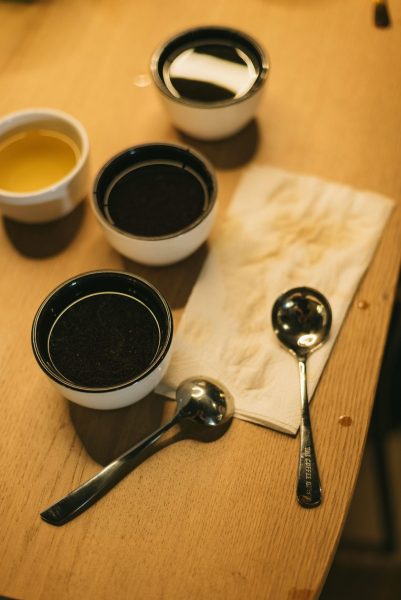
A flavor reference library gives your coffee team a shared language for quality assessment and helps maintain consistency across cupping sessions. This organized collection of coffee samples serves as your benchmark for identifying flavor characteristics, defects, and processing methods in green coffee evaluation.
For roasteries purchasing green coffee from suppliers like Intercontinental Coffee Trading, a reference library becomes your quality control foundation. When your team can accurately identify honey-processed brightness versus washed clarity, or distinguish between Ethiopian florals and Kenyan berry notes, you make better purchasing decisions and communicate more precisely with your suppliers.
The return on building this resource shows up immediately. Your cupping team develops faster. Your quality standards become measurable. Your purchasing decisions gain confidence. Most importantly, everyone on your team uses the same vocabulary when discussing coffee characteristics.
Why Flavor Standards Matter for Coffee Roasters
Without shared reference points, your team members describe the same coffee differently. One cupper’s “bright acidity” becomes another’s “sour note.” This inconsistency creates problems when evaluating green coffee samples, developing roast profiles, or communicating with suppliers.
A reference library eliminates subjective interpretation. When your team tastes a Kenya and someone mentions “blackcurrant,” everyone knows exactly what that means because you’ve cupped the reference sample together. This precision matters when you’re making purchasing commitments on container loads.
Quality Control Consistency
Your library establishes the acceptable range for each coffee you purchase. When a new shipment arrives, you compare it against your stored sample from the previous lot. Variations become immediately apparent, giving you data for supplier conversations rather than vague concerns about “different than last time.”
Selecting Your Reference Coffees
Start with coffees that represent major growing regions and processing methods in your purchasing rotation. You need washed Colombian, natural Ethiopian, honey-processed Costa Rican, and wet-hulled Sumatran samples if those origins appear regularly in your buying.
Choose samples that clearly demonstrate specific characteristics. A Kenya that screams blackcurrant works better as a reference than one with subtle fruit notes. Your library needs obvious examples that new team members can identify confidently.
Key Categories to Include:
- Processing methods: washed, natural, honey, wet-hulled, experimental
- Regional flavor profiles: African florals, Central American chocolates, Indonesian earthiness
- Defect examples: fermented, quaker, phenolic, aged
- Roast degree standards: light, medium, full city
Sourcing Your Samples
Keep samples from exceptional lots you’ve purchased. When Intercontinental Coffee Trading sends you a standout Ethiopia that perfectly represents the region’s jasmine and bergamot character, vacuum seal a portion as your reference standard.
Trade samples from other roasters in your network. A West Coast roaster might have better access to specific Central American microlots while you can offer East African references. This exchange broadens your library without additional purchasing costs.
Organizing Your Sample Collection
Store green coffee samples in vacuum-sealed bags with oxygen absorbers, labeled with origin, processing method, harvest date, and the specific characteristic it demonstrates. Light and oxygen degrade green coffee, so dark, cool storage matters.
Keep roasted references frozen in small portions. Roast 50-gram batches of your reference greens using identical profiles, then freeze in 10-gram portions. This lets you pull exactly what you need for cupping sessions without exposing the entire batch to air repeatedly.
Digital Documentation
Photograph each reference coffee in whole bean and ground form. Record the sensory notes, intensity ratings, and processing details in a shared database your team can access during cupping sessions. Include the SCA cupping form scores if you use that protocol.
Documentation and Cupping Protocols
Create a cupping protocol that your team follows for every reference evaluation. Consistent water temperature, grind size, and timing removes variables that could skew flavor perception.
Record each team member’s notes separately before discussion. This prevents groupthink and helps you identify when someone’s palate diverges from the group standard. Over time, you’ll notice which cuppers excel at detecting specific characteristics.
Reference Cupping Schedule
Cup your reference library monthly as a team. This repetition trains palates and keeps everyone calibrated. New hires should cup the entire library within their first two weeks, then weekly for the first month.
Monthly Cupping Sessions Should Include:
- Three origin representatives (rotating through your library)
- One processing method comparison (washed vs. natural from same region)
- One defect identification exercise
- One blind triangle test using references
Training Your Team with the Library
New cuppers start with obvious contrasts. Cup a bright Kenya against a full-bodied Sumatra. The differences are unmistakable, building confidence before moving to subtler distinctions.
Progress to same-region comparisons with different processing. A washed Ethiopian versus a natural from the same area teaches how processing affects flavor independent of terroir. This knowledge directly improves your green coffee evaluation skills.
Building Sensory Memory
Repetition creates expertise. Your team should cup the same reference coffees multiple times before moving to new samples. Tasting Kenya AA three sessions in a row builds stronger neural pathways than tasting it once alongside seven other coffees.
Use triangle tests with your references. Present two cups of the Kenya reference and one cup of a similar but different coffee. Can your team identify the odd one out? This exercise sharpens discrimination abilities.
Maintaining and Updating Your Standards
Green coffee samples remain viable for 6-12 months under proper storage. Date everything and replace samples annually. Your library needs to represent current crop characteristics, not coffees from two harvests ago.
When you identify a sample that better represents a category, replace the old reference. Maybe you’ve been using a good Guatemala as your “chocolate notes” standard, but a new lot demonstrates the characteristic more clearly. Make the switch and document why.
Handling Discontinued Coffees
Some reference samples become unavailable when farms change practices or importers shift sourcing. Keep the tasting notes and documentation even after the physical sample expires. This historical data helps you find comparable replacements.
Practical Implementation Tips
Budget 2-4 hours monthly for team reference cupping. This time investment pays for itself in improved purchasing decisions and quality control. Schedule these sessions when everyone’s palates are fresh, typically mid-morning.
Start small if you’re building from scratch. Five well-chosen references beat twenty mediocre ones. Add to your library as you encounter coffees that fill gaps in your collection.
Document everything. Your future self will thank you when trying to remember why that specific Ethiopia became your floral reference or what made that Colombian your chocolate standard.
Contact Intercontinental Coffee Trading to discuss green coffee samples that could strengthen your reference library. Our global sourcing network provides access to distinctive lots that make excellent training standards for your team.